When foldable phones first arrived in 2019, many people doubted whether they would ever become mainstream. The earliest models, including the first Samsung foldable phone, faced serious durability issues. The original Galaxy Z Fold was even recalled shortly after launch due to screen problems. At the time, critics believed folding technology was more of a gimmick than a real future for smartphones.
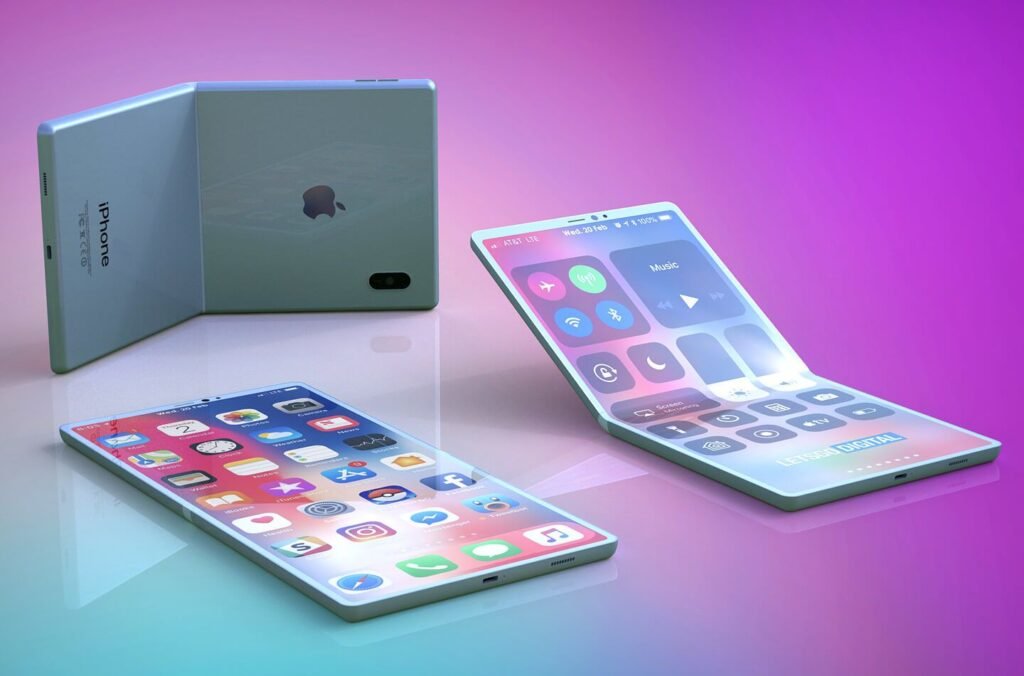
Fast forward nearly seven years, and the situation has changed dramatically. Foldable mobiles are no longer rare or experimental. In fact, the market is growing every year, with more brands joining the competition and improving reliability, performance, and design. Even Apple, a company known for waiting until technology matures, is widely rumoured to be working on its first Apple foldable phone, expected to launch around 2026.
Today, two main types of folding phones dominate the market: flip-style foldables and book-style foldables. While both bend and fold, they offer very different user experiences. Choosing the right one depends on how you use your phone, what you value most, and how much flexibility you need in daily life.
The Rise of Foldable Phones in the Smartphone Market
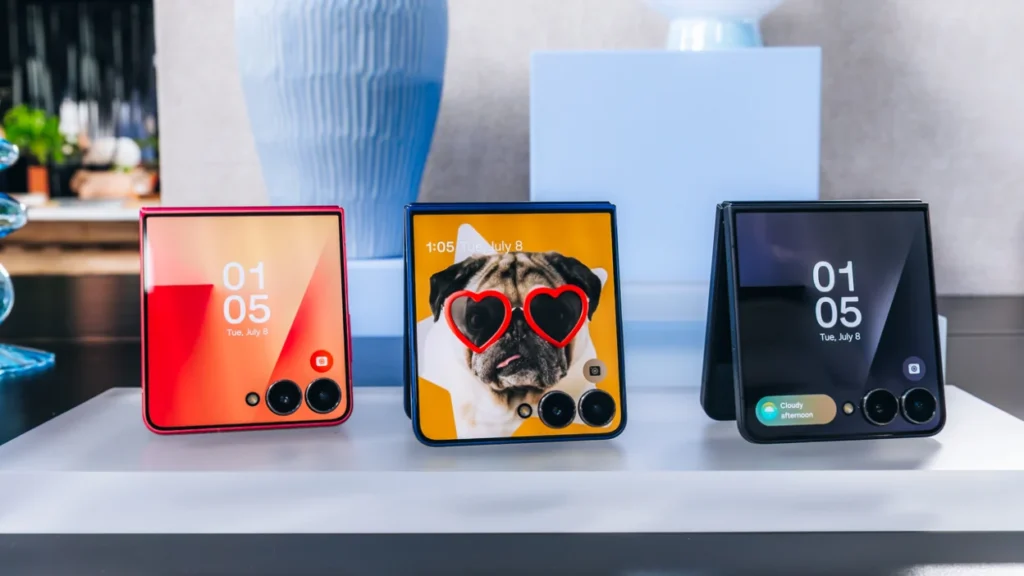
The traditional smartphone market has largely settled into one shape: the flat, rectangular “slab” phone. While performance has improved over the years, design innovation has slowed. Foldable phones represent one of the few areas where real experimentation is still happening.
Major brands such as Samsung, Google, Motorola, Oppo, Honor, Vivo, Xiaomi, and Huawei are all investing heavily in foldable technology. Hinges are stronger, screens are tougher, and software is now better optimised for flexible displays. As a result, modern foldable mobiles feel far more polished than their early predecessors.
With Apple expected to enter the category soon, foldables are likely to move even further into the mainstream.
Flip-Style Foldable Phones: Compact and Pocket-Friendly
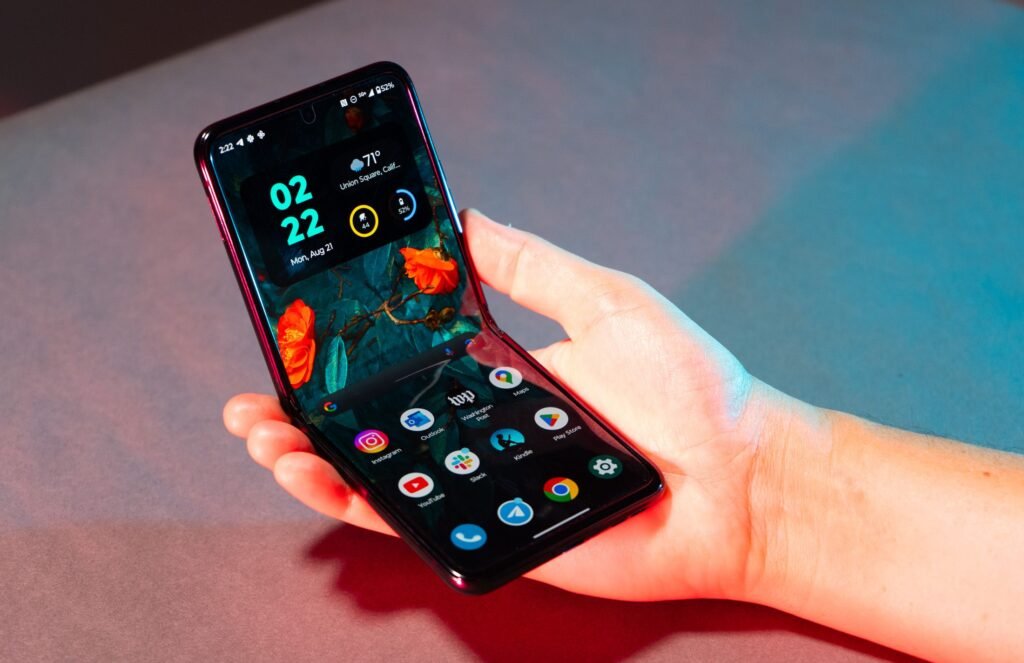
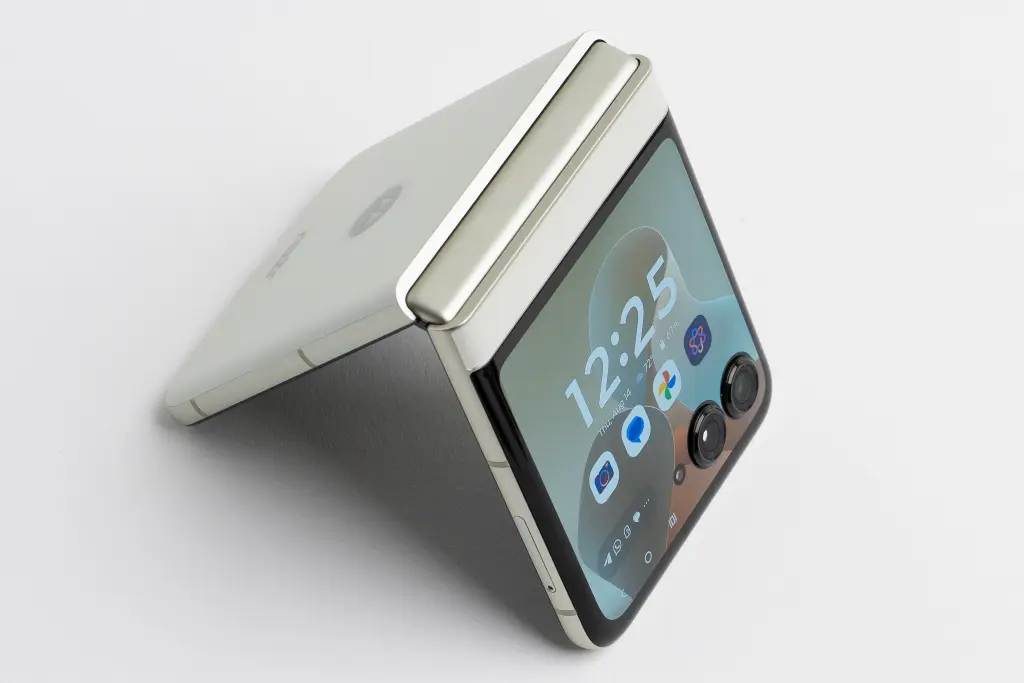
Flip-style foldable phones fold horizontally, much like classic flip phones from the early 2000s. When unfolded, they look and feel like a regular smartphone. When folded, they become smaller and easier to carry.
Popular examples include the Samsung Galaxy Z Flip series and Motorola Razr models.
Key Benefits of Flip-Style Folding Phones
The most significant advantage of a flip-style folding phone is portability. When folded, it fits comfortably into small pockets or bags. This makes it ideal for users who want a full-sized phone experience without the bulk.
Flip phones also appeal to people trying to reduce screen time. Because you need to open the device entirely to access most apps, it naturally discourages constant checking and scrolling.
Cover Displays and Limitations
Most flip-style foldables include a small outer screen, known as a cover display. This is usually used for quick tasks like checking notifications, controlling music, or viewing the time.
Some models, such as premium Motorola Razr devices and newer Samsung updates, allow limited app use on the cover screen. However, the small size makes extended use uncomfortable. For most tasks, unfolding the phone is still necessary.
Book-Style Foldable Phones: A Phone That Becomes a Tablet
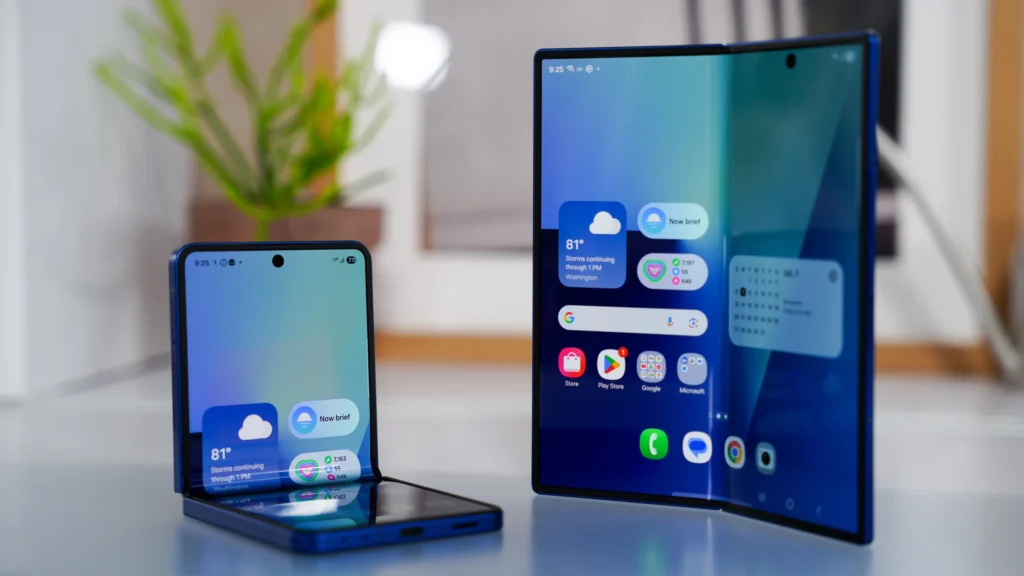
Book-style foldable phones fold vertically, like opening a book. When closed, they look similar to a standard smartphone. When opened, they reveal a large inner display, often close to the size of a small tablet.
Well-known examples include the Samsung Galaxy Z Fold range and Google’s Pixel Fold devices.
Why Choose a Book-Style Foldable?
The main appeal of book-style foldable mobiles is productivity. The larger inner screen enables multitasking, reading, gaming, and media consumption that regular phones cannot match. Users can run two or more apps side by side, drag content between windows, and enjoy a more immersive experience. This makes book-style foldables popular with professionals, frequent travellers, and power users.
Trade-Offs to Consider
Book-style foldables are generally thicker and heavier than traditional phones. They also tend to be more expensive. However, many users feel the added functionality justifies the extra size and cost.
Flip vs Book-Style: The Core Difference Explained Simply
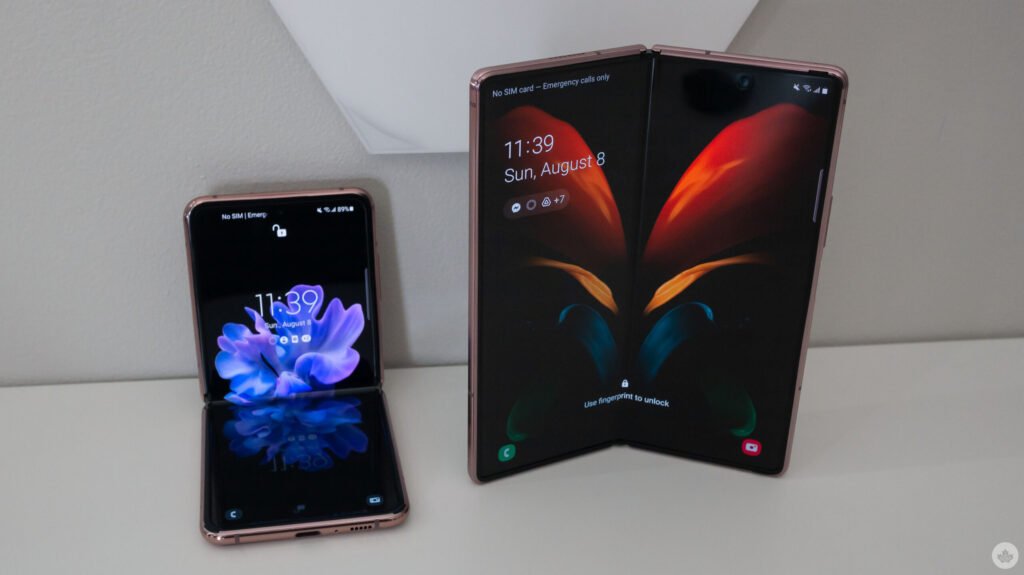
A helpful way to understand the difference is this:
- A flip-style foldable phone folds to a smaller size.
- A book-style foldable phone is a tablet that folds into a smaller form factor.
Flip phones focus on convenience and portability. Book-style phones concentrate on productivity and screen space. Neither is better overall; they suit different lifestyles.
Shared Features Across Foldable Phones
Despite their differences, many foldable phones share useful features that leverage their flexible design.
Better Selfies Using Main Cameras
Both flip and book-style foldables allow users to take high-quality selfies using the primary rear camera. By folding the device so the outer screen faces the camera, you can use that screen as a live viewfinder, resulting in much better photos than with a standard front camera.
Hands-Free and Flex Modes
Some manufacturers, especially Samsung, offer special modes when the phone is partially folded. Known as “Flex Mode” on Samsung devices, this allows hands-free use for photography, video calls, and media playback. Apps like YouTube automatically position controls at the bottom of the screen.
These features make foldable mobiles more versatile than standard slab phones.
Software Innovation Is Driving the Foldable Experience
Hardware alone does not define a good folding phone. Software optimisation is equally important. Brands are experimenting with split screens, floating windows, and continuous app canvases that move smoothly across displays.
As Android continues to improve foldable support and Apple prepares its own approach, the overall foldable phone experience is becoming more refined and user-friendly.
Is Now the Right Time to Buy a Foldable Phone?
For many users, the answer is yes. Modern foldable phones are more durable, more powerful, and more practical than ever before. Prices are slowly becoming more competitive, and the variety of models means there is something for almost everyone.
Whether you choose a compact flip phone or a productivity-focused book-style device, the key is understanding your own needs. With Apple entering the market soon and Samsung continuing to lead innovation, foldable mobiles are no longer just a niche product—they are shaping the future of smartphones.
Choosing the Right Foldable Phone
The world of foldable phones is still evolving, and that is what makes it exciting. Unlike traditional smartphones, this category continues to experiment with design, features, and software.
Once you decide between a flip-style or book-style folding phone, take time to compare models, brands, and features. The right foldable phone is not just about the screen—it is about how it fits into your daily life.
As technology improves and more options arrive, foldable phones are set to become a permanent and essential part of the mobile landscape.