The Xiaomi SU7 has achieved something few thought possible. For the first time since 2019, the Tesla Model 3 is no longer the top-selling premium electric sedan in China. Instead, a car made by a company best known for smartphones has taken the lead.
According to industry delivery data, Xiaomi delivered over 258,000 SU7 sedans in 2025. This is nearly 30% more than the Tesla Model 3, which recorded just over 200,000 deliveries during the same period. This shift shows how quickly China’s electric vehicle market is changing.
How Xiaomi SU7 Became a Bestseller So Quickly
The Xiaomi SU7 officially launched in March 2024. In less than two years, it grew into one of the most talked-about electric cars in the world’s largest auto market.
Xiaomi followed a strategy similar to its smartphone business: offering high-end technology at a competitive price.
1. Competitive Pricing
The base version of the Xiaomi SU7 starts at around RMB 215,900, making it noticeably cheaper than the Tesla Model 3, which starts at RMB 235,500. This price difference makes the SU7 very attractive to buyers who want premium features without paying extra.
2. Longer Driving Range
Range is one of the most important factors for EV buyers. The Xiaomi SU7 offers up to 700 km (CLTC rating), while the Tesla Model 3 RWD version offers around 634 km. That extra range gives Xiaomi an edge for drivers who travel longer distances.
3. Advanced Technology
Technology is where Xiaomi really shines. The Xiaomi SU7 comes with:
- Free driver assistance features
- Standard LiDAR in updated versions
- Deep integration with Xiaomi’s HyperOS ecosystem
Drivers can connect their smartphones, smart home devices, and car systems smoothly. This level of digital integration is something traditional automakers are still trying to perfect.
Even Industry Leaders Are Paying Attention
The success of the Xiaomi SU7 has impressed major global car brands. Reports suggest Ferrari bought an SU7 to study its technology. Ford CEO Jim Farley has also publicly praised the car and pushed his team to improve competitiveness against Chinese EV makers.
This shows the SU7 is not just popular — it is respected across the auto industry.
Tesla Model 3 Faces Stronger Competition
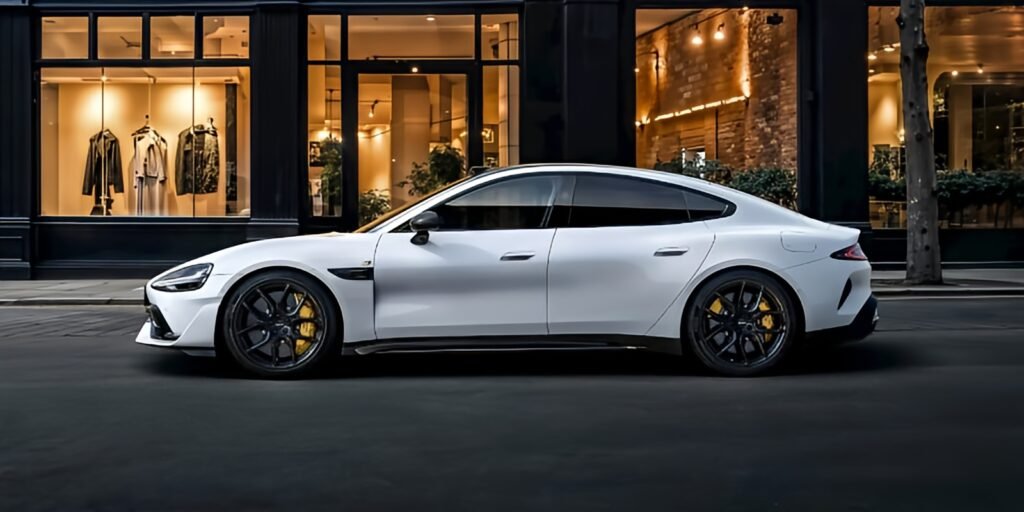
The Tesla Model 3 has been the benchmark for premium EV sedans in China for years. However, rising competition is putting pressure on Tesla.
Tesla recently introduced price incentives, including insurance subsidies and low-interest financing plans, to attract more buyers. But Chinese brands quickly matched these offers, reducing Tesla’s advantage.
While the Model 3 remains a strong and well-liked vehicle, buyers now have more alternatives that offer similar or better features at a lower price.
China’s EV Market Is Changing Fast
China has become the world’s most competitive EV market. Companies are moving faster, updating technology more often, and keeping prices aggressive.
The Xiaomi SU7 shows how a tech-focused company can succeed in the car industry by combining:
- Smart pricing
- Strong battery performance
- Software and ecosystem integration
This new style of competition is very different from traditional car manufacturing.
What This Means for the Future
The rise of the Xiaomi SU7 signals a bigger shift in the global automotive industry. Technology companies are no longer just suppliers — they are becoming full vehicle manufacturers.
Meanwhile, the Tesla Model 3 still plays an important role in the EV market, but it now faces stronger pressure from fast-moving Chinese brands that focus heavily on digital features and value for money.
As competition increases, consumers benefit the most. They get better technology, longer-range electric cars, and more affordable electric cars.
Mid Monday Expert’s Opinion
The success of the Xiaomi SU7 is one of the biggest EV stories of the year. In a short time, it has grown from a newcomer to a market leader, challenging Tesla Model 3’s long-standing dominance. If this trend continues, we can expect even more innovation, better prices, and smarter vehicles in the years ahead.

