Opening a Bank account in the United Kingdom is an important step if you plan to live, work, or study there. A UK bank account makes it easier to receive a salary, pay bills, shop online, and manage your money safely. However, banks in the UK follow strict rules, so you must meet certain requirements for opening a bank account before you can get approved.
In this guide by Mid Monday under the Banking and Finance category, we explain everything in simple English, so you know exactly what to prepare.
Why You Need a UK Bank Account
Before we look at the requirements for opening a bank account, let’s understand why having a local account matters.
A Bank account in the United Kingdom allows you to:
- Receive your salary directly
- Pay rent and utility bills
- Set up direct debits and standing orders
- Use a debit card for shopping
- Build your financial history in the UK
Without a UK account, daily life can become difficult and expensive due to international transaction fees.
Basic Requirements for Opening a Bank Account
All banks in the UK must follow “Know Your Customer” (KYC) and anti-money laundering laws. Because of this, the requirements for opening a bank account are almost the same at most banks.
Here are the main things you will need:
- Proof of identity
- Proof of UK address
- Immigration or visa status (if you are not a UK citizen)
- Age requirement
- Initial deposit (sometimes required)
Let’s break these down.
1. Proof of Identity
One of the most important requirements for opening a bank account is proving your identity. Banks must confirm your identity to prevent fraud and illegal activity.
Common documents accepted:
- Valid passport
- UK or EU driving licence
- National identity card (for some EU citizens)
- Biometric residence permit (BRP)
Your document must be valid and not expired. The name on your ID must match the name on your application.
2. Proof of Address in the UK
Another key requirement for opening a bank account is proving that you live in the UK. Banks need a residential address, not just a PO Box.
Accepted proof of address documents:
- Utility bill (gas, electricity, water)
- Council tax bill
- Bank or credit card statement (from another bank)
- Tenancy agreement from a landlord
- Letter from a university (for students)
Most banks ask for documents dated within the last 3 months.
If you have just moved and do not yet have bills, some banks may accept a letter from your employer, university, or letting agency.
3. Visa and Immigration Status
If you are not a British citizen, you will need to provide your immigration status to open a bank account.
Banks may ask for:
- A valid visa
- Biometric Residence Permit (BRP)
- Share the code for online immigration status
- Proof of right to work or study
This helps the bank confirm you are legally allowed to stay in the UK for a certain period.
Students, skilled workers, and dependents can all open a Bank account in the United Kingdom, provided they provide valid documents.
4. Age Requirements
Most banks require you to be at least 18 years old to open a standard current account. This is another standard requirement for opening a bank account.
However, if you are under 18, you can still open:
- A children’s bank account
- A teen or student account
These accounts often have spending limits and do not allow overdrafts.
5. Initial Deposit
Some banks ask for a small initial deposit when you open the account. This is not always mandatory, but it may be required to open a bank account, depending on the bank.
The amount can range from £1 to £100. Many modern digital banks do not require a deposit.
Types of Bank Accounts You Can Open
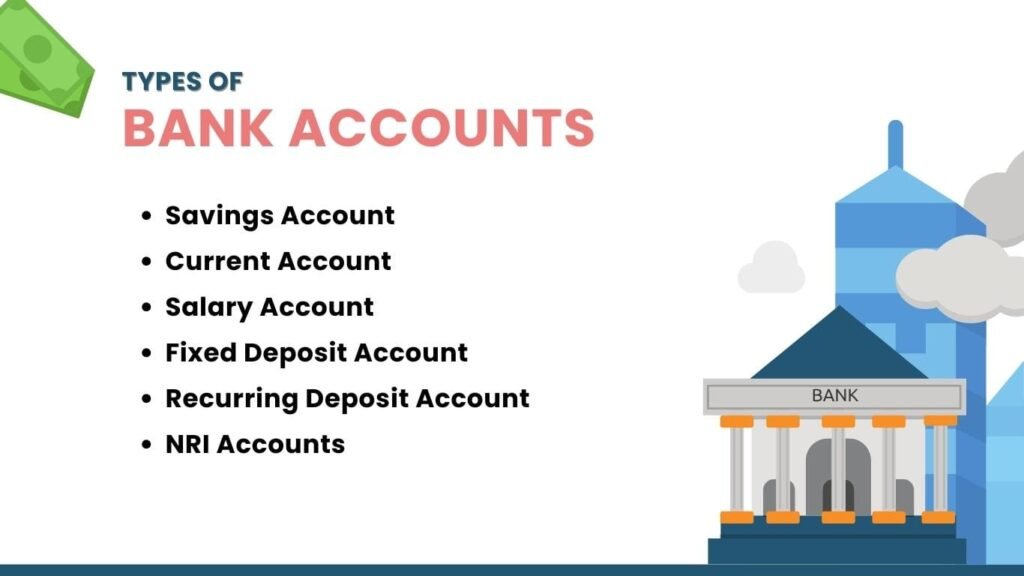
When meeting the requirements for opening a bank account, you also need to choose the right type of account.
1. Current Account
This is the most common account. It is used for daily spending, salary payments, and bill payments.
2. Basic Bank Account
This is for people with low income or poor credit history. It usually does not offer overdrafts, but it still meets basic banking needs.
3. Student Account
Students in the UK can open special accounts with features such as interest-free overdrafts.
4. Savings Account
Used for saving money and earning interest, not for everyday spending.
Each type still follows similar requirements for opening a bank account, but the benefits and features are different.
Can You Open a UK Bank Account Online?
Yes, many banks now allow you to apply online. Digital banks like Monzo, Starling, and Revolut have made it easier to open a Bank account in the United Kingdom using a smartphone.
You may need to:
- Take a photo of your ID
- Record a short selfie video
- Upload proof of address
Even with online banks, the same requirements for opening a bank account apply, just in digital form.
Common Reasons Applications Get Rejected
Sometimes, people meet most of the requirements for opening a bank account but still get rejected. Here are common reasons:
- Incorrect or blurry documents
- Name mismatch between documents
- No UK address proof
- Poor credit history (for certain accounts)
- Suspicion of fraudulent activity
Always double-check your documents before applying.
Tips to Make the Process Easy

Opening a Bank account in the United Kingdom can be smooth if you prepare well.
Helpful tips:
- Bring original documents, not copies
- Make sure your address is written the same on all documents
- Apply for a basic account if you have no UK credit history
- Ask your university or employer for an official letter if needed
Being organized helps you meet all the requirements for opening a bank account quickly.
Understanding the requirements for opening a bank account is key to getting your financial life started in the UK. Whether you are a student, worker, or newcomer, banks mainly want proof of identity, proof of address, and legal residency status.
A Bank account in the United Kingdom gives you financial security and makes everyday life much easier. With the right documents and preparation, the process is simple.
Stay tuned to Mid Monday for more easy guides in the Banking and Finance world.

