The world of electric vehicles and autonomous driving took a giant leap forward when a team of enthusiasts embarked on what is now known as the first-ever Tesla Self-Driving Trip from Los Angeles to New York. This remarkable journey, completed in a Tesla Model S, showcased the capabilities of Tesla’s Full Self-Driving (FSD) software without any human takeover. As automotive technology continues to evolve, this Tesla Self-Driving Trip stands as a testament to how far self-driving systems have come.
Enthusiasts and experts alike are buzzing about this achievement, and sites like Mid Monday Automotive have been quick to highlight its significance in the ongoing conversation about future mobility. The trip not only tested the limits of current technology but also provided valuable insights for everyday drivers considering autonomous features in their vehicles.
In simple terms, the Tesla Self-Driving Trip involved a group of passengers who let the car handle everything from steering to navigation across thousands of miles. This wasn’t just a short test drive; it was a cross-country expedition that faced real-world challenges like weather changes and road variations. For anyone interested in electric cars or self-driving tech, understanding this Tesla Self Driving Trip offers a glimpse into what might soon become commonplace on our roads.
The journey began in Redondo Beach near Los Angeles and ended in midtown Manhattan in New York City, covering diverse terrains and conditions that truly put the system to the test.
Understanding Tesla’s Full Self-Driving Technology
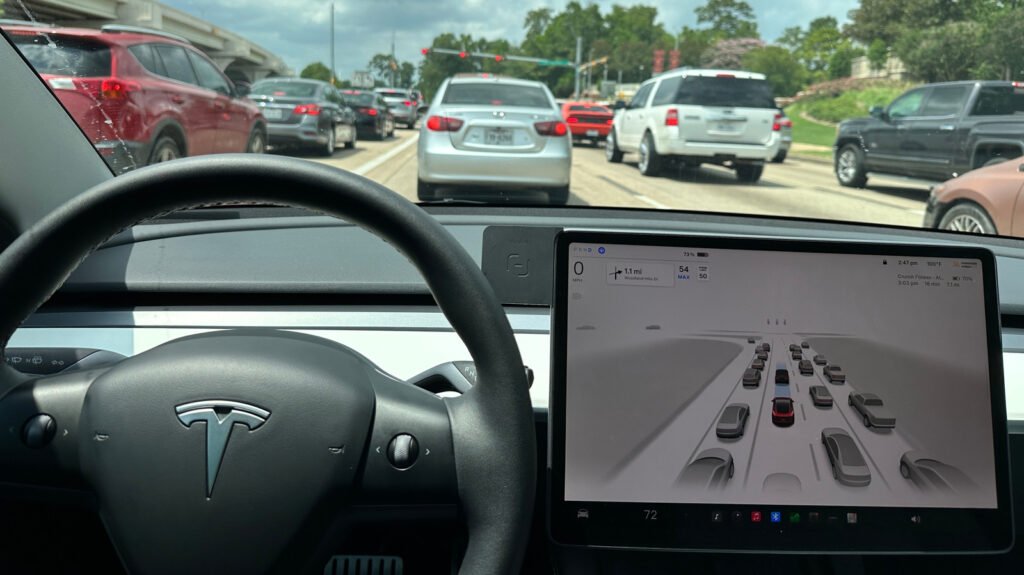
Before diving deeper into the specifics of this historic Tesla Self Driving Trip, it’s helpful to grasp what Tesla’s Full Self-Driving (FSD) really means. FSD is an advanced driver-assistance system designed to handle most driving tasks under supervision. It uses a combination of cameras, sensors, and artificial intelligence to navigate roads, change lanes, and even park the vehicle.
The version used in this Tesla Self Driving Trip was FSD v14.2.2.3, paired with Tesla’s Hardware 4 (HW4) suite, which includes improved computing power for better decision-making in complex scenarios.
This technology has been in development for years, with Tesla continuously updating it through over-the-air software releases. What makes FSD stand out is its ability to learn from real-world data collected from millions of Tesla vehicles on the road. During the Tesla Self-Driving Trip, the system demonstrated enhanced safety features and smoother navigation, which are key upgrades in the latest versions. For beginners, think of FSD as a smart co-pilot that anticipates road conditions and reacts faster than a human might in certain situations.
However, it’s still classified as “supervised,” meaning drivers should remain attentive, even though in this particular Tesla Self Driving Trip, no interventions were needed.
Many people wonder how reliable FSD is for long distances. This Tesla Self-Driving Trip provides concrete evidence that, under the right conditions, it can manage extensive journeys with minimal issues. The hardware, including radars and ultrasonic sensors, works together to create a 360-degree view of the surroundings, allowing the car to avoid obstacles and follow traffic rules seamlessly.
As more updates roll out, features like these will become even more refined, making trips like this Tesla Self Driving Trip safer and more efficient for everyone.
Details of the Historic Journey
The Tesla Self-Driving Trip kicked off from Redondo Beach in Los Angeles, with the team aiming to reach Midtown Manhattan in New York City. Covering a total distance of 3,081 miles, the route primarily followed major highways like Interstate 10 from southern California into Arizona, then north to Interstate 40 toward Oklahoma City and St. Louis. This path avoided some northern routes to steer clear of heavier winter weather, but detours still occurred due to storms and minor human errors.
The entire Tesla Self Driving Trip took 58 hours and 22 minutes of driving time, with an average speed of 64 miles per hour. That’s not a record-breaking pace compared to traditional Cannonball Runs, but the focus here was on autonomy, not speed. About 10 hours and 11 minutes were spent charging the vehicle at various stops, which the car handled autonomously as well. The team, consisting of Alex Roy, Warren Ahner, and Paul Pham, rotated as passengers, ensuring the journey was documented with video footage from multiple cameras to verify the zero-intervention claim.
One fascinating aspect of this Tesla Self Driving Trip was how the vehicle managed charging stations. The FSD system navigated to Superchargers, positioned the car correctly, and even resumed the route after charging without any manual input. This level of independence highlights how Tesla’s ecosystem, including its navigation software tied to charging networks, makes long-haul trips feasible for electric vehicles. For potential Tesla owners, this means less worry about planning stops, as the car can optimize the route based on battery levels and available chargers.
Challenges Faced During the Tesla Self-Driving Trip
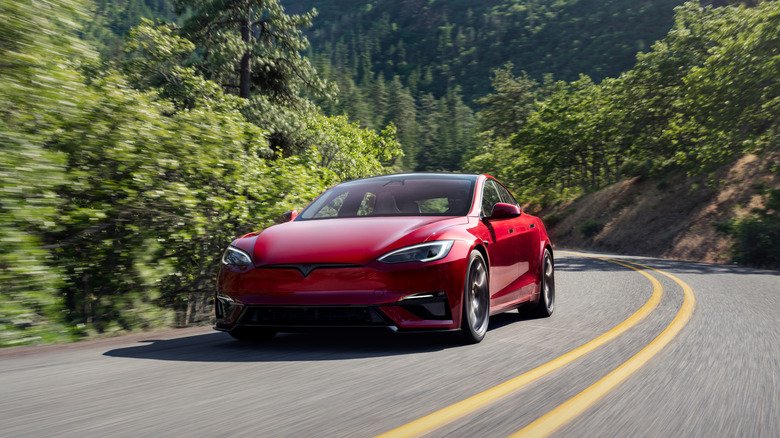
No cross-country adventure is without hurdles, and this Tesla Self-Driving Trip was no exception. The journey took place in the middle of winter, exposing the team to extreme cold, snow, ice, slush, and rain. Snow squalls in the Midwest and Northeast posed significant risks, but the FSD system handled them impressively, with Roy noting that the “snow performance and recovery is unreal.”
Human errors added some comedy and extra miles to the Tesla Self-Driving Trip. For instance, a 90-minute detour in western Pennsylvania occurred when a team member was left at a rest stop, and the car had to loop back without disengaging FSD. There was also one accidental disengagement when Roy touched the steering wheel by mistake, but otherwise, the system ran flawlessly. These incidents underscore that while the technology is advanced, human factors can still influence the outcome.
Weather impacted the Tesla Self Driving Trip by forcing route changes to avoid severe storms, which extended the total mileage. Despite these challenges, the car’s ability to maintain control in slippery conditions and recover from potential slips demonstrated the robustness of the HW4 hardware and FSD software. For drivers in colder climates, this Tesla Self Driving Trip offers reassurance that autonomous systems can adapt to harsh environments, though supervision remains recommended.
Technological Insights from the Trip
Diving into the tech behind this Tesla Self-Driving Trip reveals why it was such a success. The FSD v14.2.2.3 build includes improvements in navigation and safety, allowing the car to make real-time decisions based on traffic, weather, and road signs. The HW4 suite enhances processing speed, enabling quicker responses to unexpected events like sudden lane changes by other vehicles.
During the Tesla Self Driving Trip, the system proved its worth in urban and highway settings alike. It managed complex intersections in cities, merged onto freeways smoothly, and even handled construction zones. Insights from the team suggest that FSD’s learning algorithms have matured, drawing from billions of miles of fleet data to predict and avoid hazards. Roy emphasized that “once an autonomous vehicle is mature, most human input is an error,” echoing Tesla CEO Elon Musk’s long-standing vision.
For tech enthusiasts, this Tesla Self-Driving Trip highlights the potential for unsupervised autonomy in the near future. While current FSD requires supervision, milestones like this push toward robotaxi deployments and broader adoption. The trip’s data, including video evidence, will likely contribute to further refinements, making future versions even more capable.
Implications for the Future of Autonomous Driving
The success of this Tesla Self-Driving Trip has broad implications for the automotive industry. It validates Tesla’s push toward full autonomy, potentially accelerating the rollout of features like robotaxis and unsupervised FSD. As more people hear about this Tesla self-driving trip, interest in electric vehicles with advanced self-driving capabilities is expected to rise, influencing competitors to step up their game.
On a practical level, this Tesla Self Driving Trip shows how autonomous tech can make long-distance travel less tiring and safer. Drivers could use the time for work, rest, or entertainment, transforming road trips. However, it also raises questions about regulations, as governments worldwide grapple with approving fully self-driving vehicles. In the US, investigations into Tesla’s systems continue, but successes like this could build public trust.
Looking ahead, updates to FSD, such as version 14.3, promise even better performance. This Tesla Self-Driving Trip serves as a benchmark, encouraging more real-world testing and adoption. For everyday users, it means that features once seen as futuristic are now within reach, paving the way for a world where cars drive themselves reliably.
The Legacy of the Tesla Self-Driving Trip
In wrapping up, the first-ever Tesla Self-Driving Trip from LA to New York marks a pivotal moment in automotive history. Achieved with zero interventions over 3,081 miles, it demonstrates the reliability and potential of Tesla’s FSD technology.
As discussed on platforms like Mid Monday Automotive, this journey not only fulfills a decade-old promise but also inspires confidence in the future of self-driving cars. Whether you’re a Tesla fan or just curious about tech advancements, this Tesla Self-Driving Trip offers plenty of lessons on innovation, safety, and the road ahead. As autonomous driving evolves, expect more such milestones to reshape how we travel.